
Borneo, the third-largest island in the world, is a treasure trove of biodiversity, culture, and adventure. The Malaysian portion of Borneo includes two states: Sabah and Sarawak, along with the federal territory of Labuan
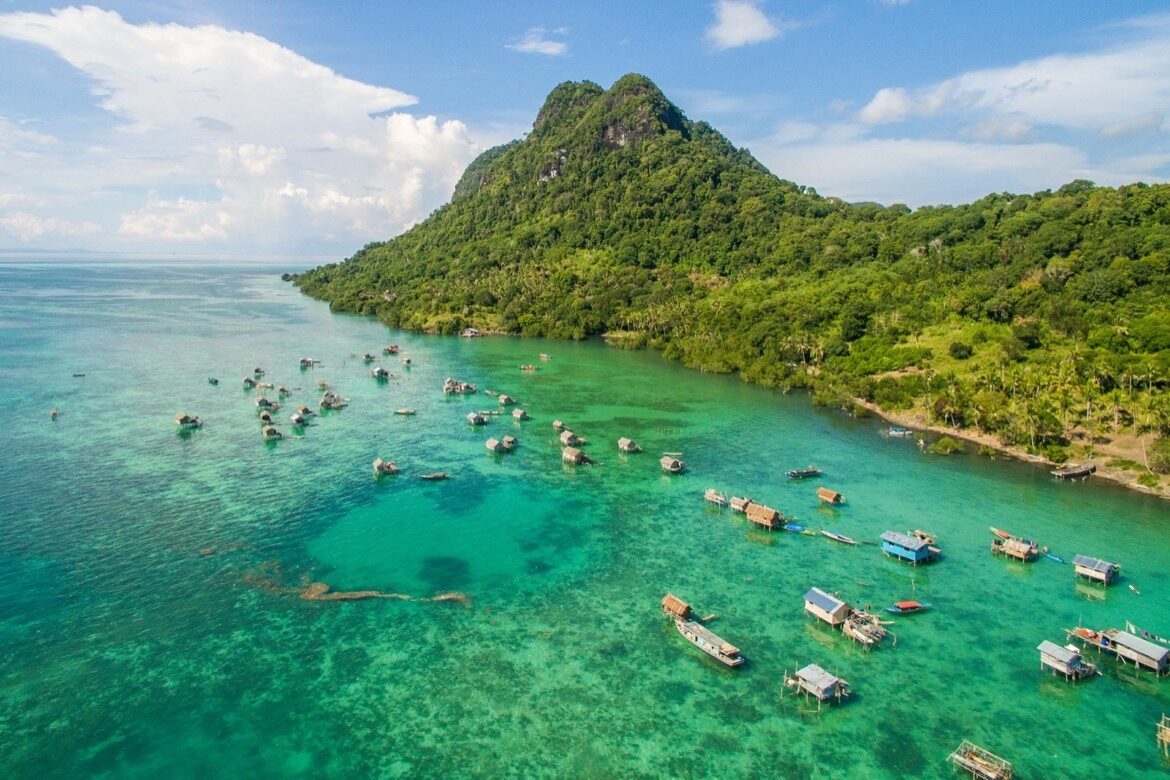
🌄 Top Destinations in Malaysian Borneo

Kota Kinabalu (Sabah)
Gateway to Mount Kinabalu, Malaysia’s highest peak.
Explore the Kinabalu National Park (UNESCO World Heritage Site).
Snorkeling and island hopping around Tunku Abdul Rahman Marine Park.
Sandakan (Sabah)
Visit the Sepilok Orangutan Rehabilitation Centre.
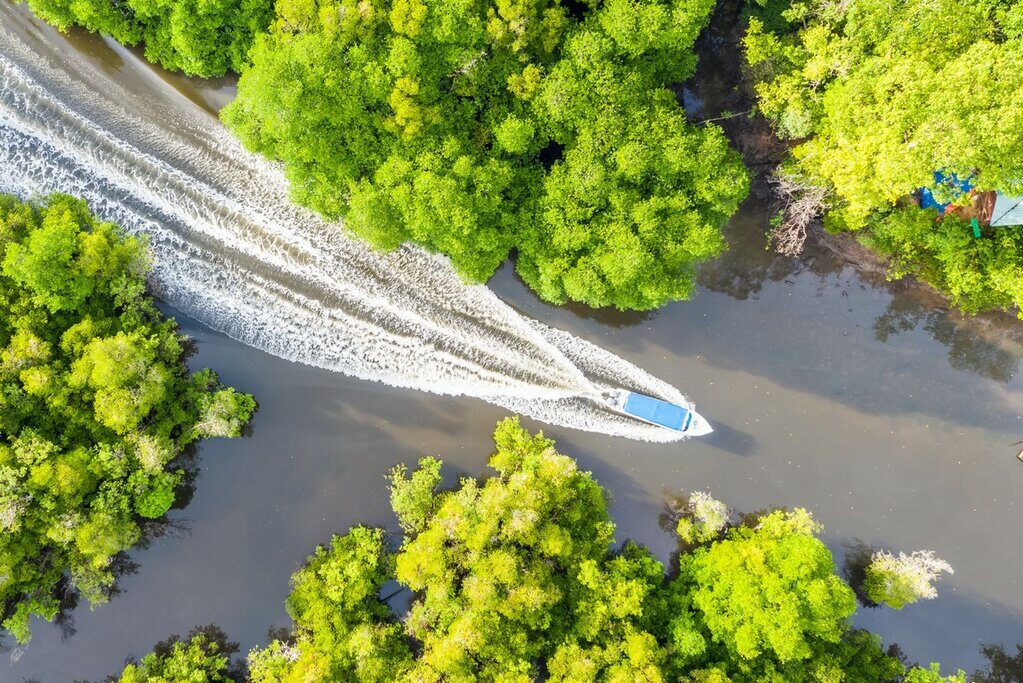
Explore the Kinabatangan River for wildlife spotting (proboscis monkeys, pygmy elephants, crocodiles).
Discover Turtle Islands Park for turtle conservation.
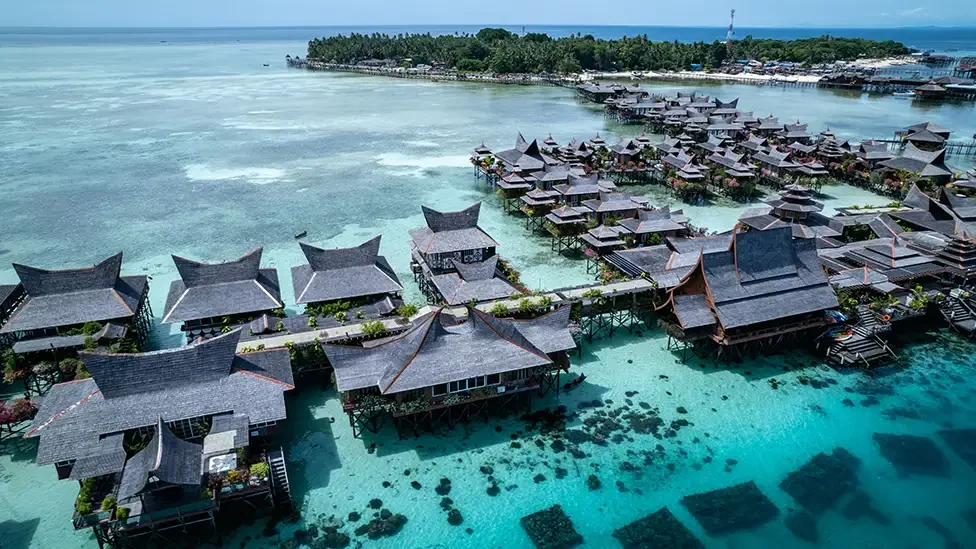
Semporna & Islands (Sabah)
Base for world-class diving at Sipadan Island, Mabul, and Kapalai.
Pristine coral reefs and marine biodiversity.
Kuching (Sarawak)
Charming riverside city with a mix of colonial and tribal heritage.
Gateway to Bako National Park and Semenggoh Nature Reserve (orangutan sanctuary).
Learn about indigenous cultures at the Sarawak Cultural Village.
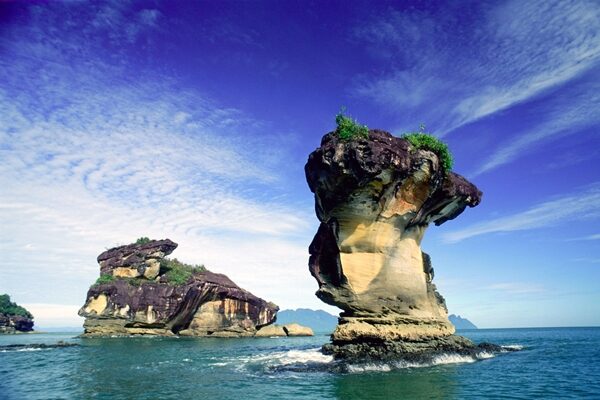
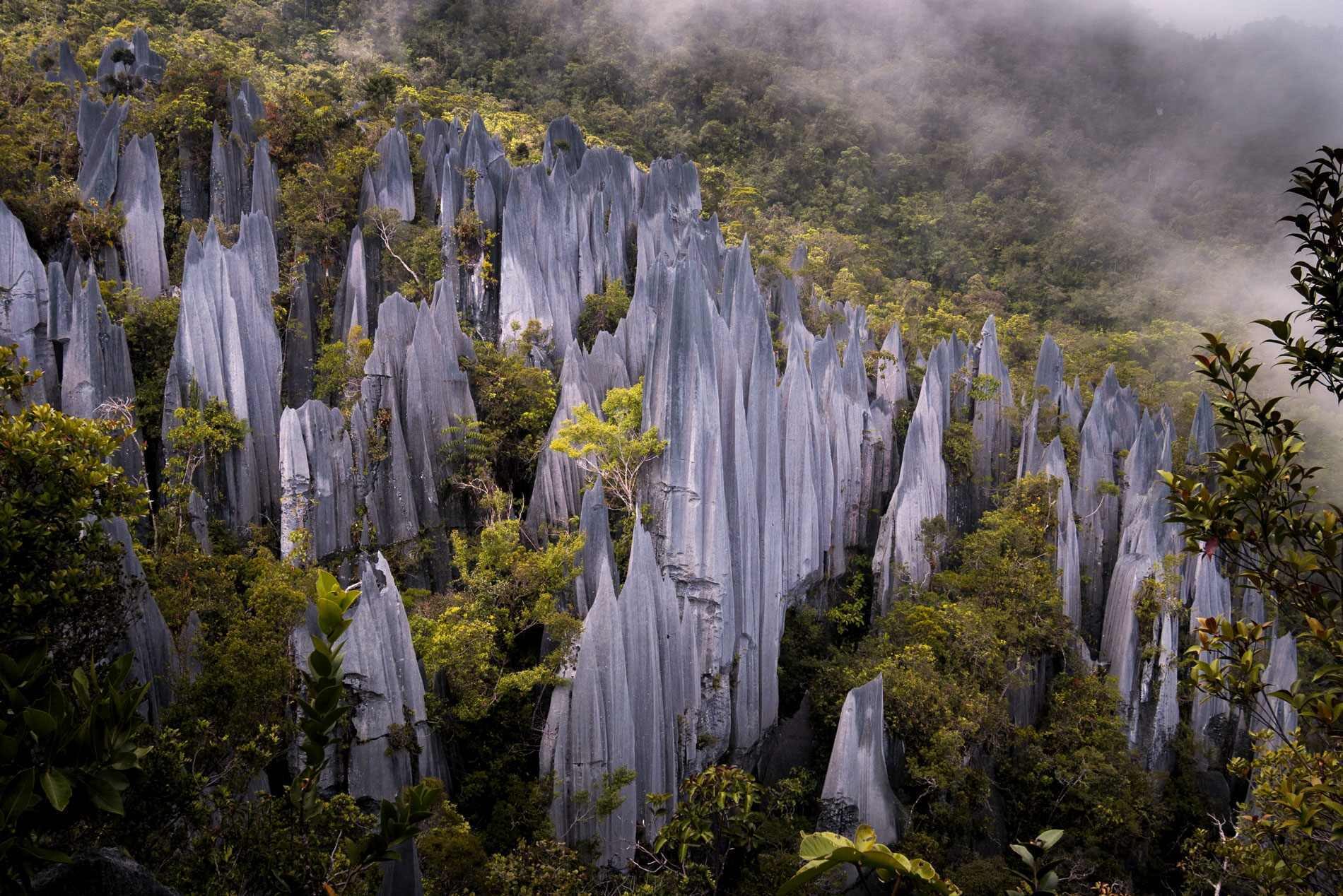
Mulu National Park (Sarawak)
UNESCO World Heritage Site famous for its massive caves and limestone formations.
Adventure tours through Deer Cave, Clearwater Cave, and Canopy Skywalk.
🏞️ Nature & Wildlife Highlights
Rainforests older than the Amazon.
Home to endangered species: Orangutans, Bornean sun bears, clouded leopards.
Dense jungles, highland tribes, and rich river systems.
🧭 Things to Do
Trekking in dense rainforests and up mountains.
Scuba diving in coral-rich waters.
River safaris for wildlife photography.
Experiencing tribal longhouse stays.
Visiting national parks and cultural heritage sites.
🛫 Getting There
Major entry points: Kota Kinabalu (BKI) and Kuching (KCH) airports.
Connected by domestic flights, long-distance buses, and ferries.
💡 Travel Tips
Best time to visit: March to October (dry season).
Bring insect repellent, sunblock, and lightweight waterproof clothing.
Respect local customs, especially when visiting indigenous villages.